How to Brief an Architectural Rendering Studio and Get Better Images
Why the brief matters more than the software
Most disappointing renders come from a thin brief. If the studio has to guess the mood, the camera angles or the materials, the first draft will rarely match what you had in mind, and revision rounds add up quickly.
A strong brief takes less than an hour to write and often saves days.
What to include
- The purpose of the image, such as a client presentation, marketing, planning approval or competition
- The views you need, with plan markups showing camera positions
- Time of day and weather, such as bright afternoon, soft morning or dusk with interior lights on
- Materials and finishes, with product names or photos where you have them
- Landscape, people, vehicles and furniture style
- Image size and how the images will be used, for print or screen
Reference photos are the fastest way to explain mood. Send three or four, and say what you like about each one.
Send clean source files
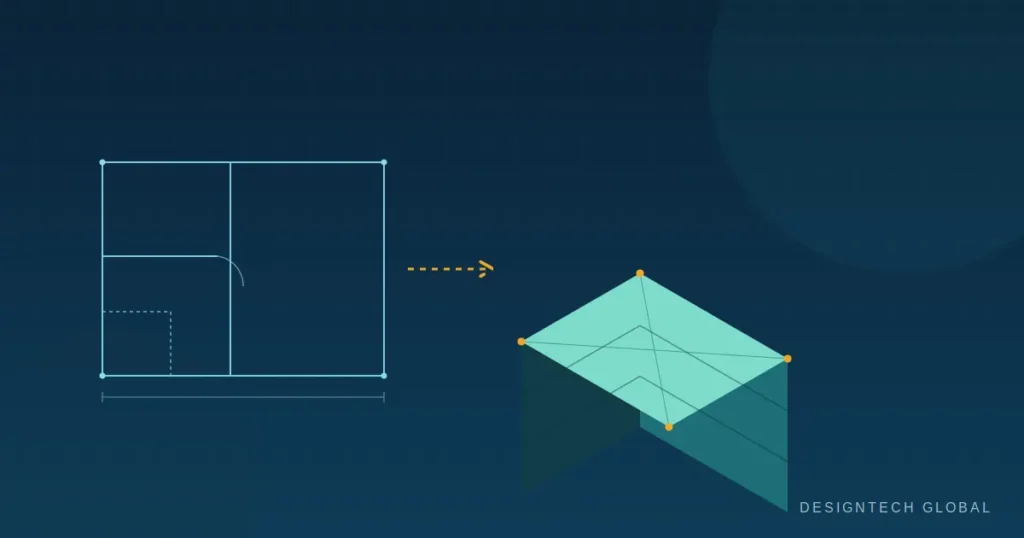
Provide the 3D model or the CAD drawings, plus elevations that show the final design. If the design is not final, say which parts may still change so the studio does not spend time on areas that will be redone.
Our architectural rendering services start from your drawings, sketches or Revit and SketchUp models.
Review in stages
A good studio shares early views before the final images. Check the massing, camera angles and lighting at the first stage, then materials and details at the next. Give all your comments in one list rather than in several small emails, so changes can be done together.
Late changes to the design itself are the main reason projects go over time. Lock the design before the final render if you can.
Start your project
For a closer look at what is possible, see our 3D modeling and rendering page, our guide on outsourcing architectural rendering, or contact us with your brief.
Frequently asked questions
What files do I need to send for a rendering?
A 3D model or CAD drawings, elevations, material notes, reference images and a plan showing the camera positions you want.
How many revision rounds are normal?
Usually one or two. A detailed brief and staged reviews reduce the need for more.
Can you render from hand sketches?
Yes, in many cases. The studio may need to build a 3D model first, which adds time to the job.
What image size should I ask for?
Choose by use. Screens need less resolution than large prints, so tell the studio where the images will appear.